
Ceramic Tile Installation in Arlington, VA
Ceramic tile set flat, with even grout lines and a watertight base where it counts, in homes across Arlington.
Setting Ceramic Tile the Way It Is Meant to Be Set
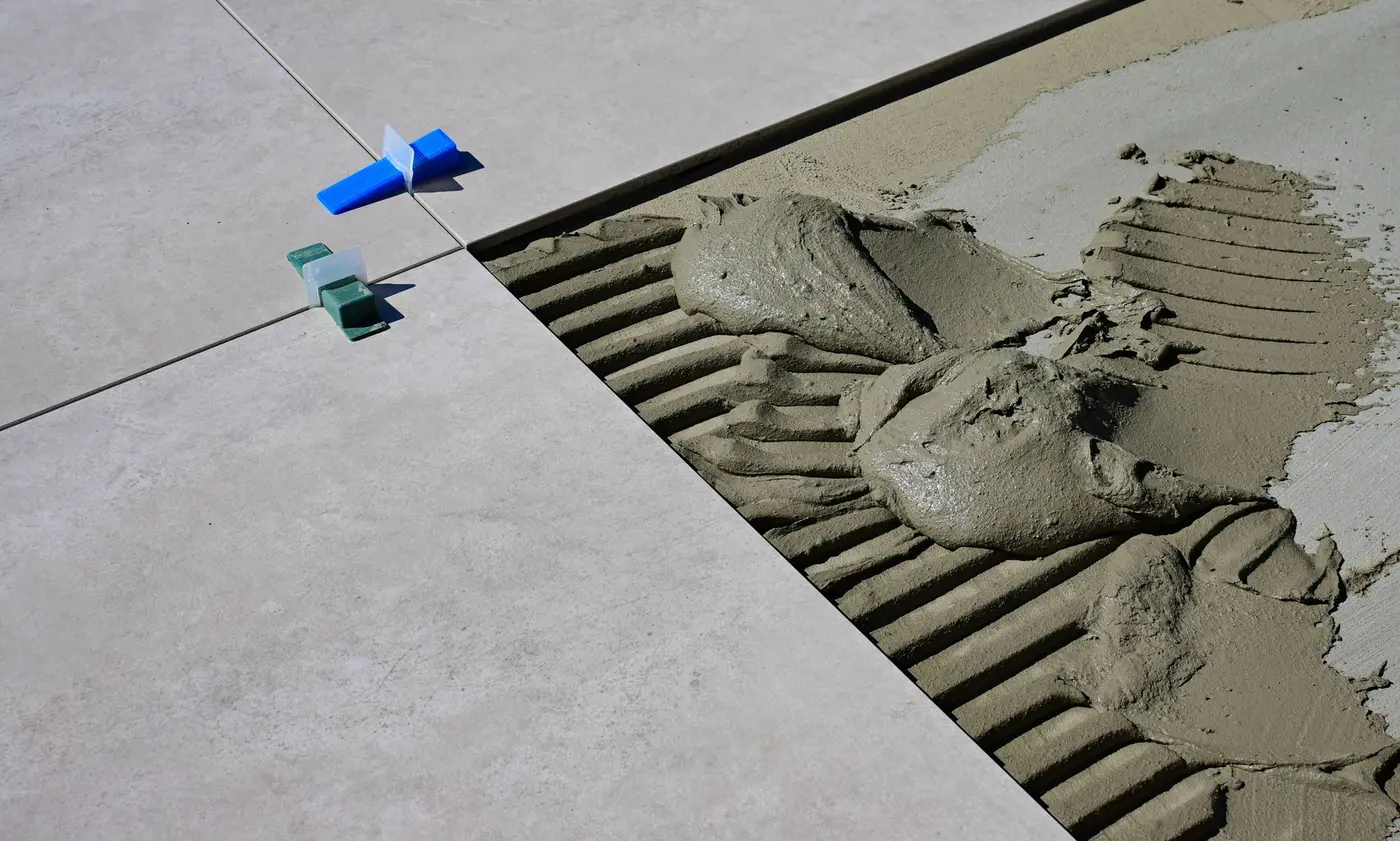
Setting tile looks simple on screen and is not. The adhesive has to be spread at the right depth and combed in the right direction so that the full back of each tile is supported. Spacers keep joints even, but they cannot correct a wavy surface, so flatness comes first. Grout fills the joints only after the adhesive has cured, and the whole surface is then cleaned and, where needed, sealed. Skip a stage and the failure shows up months later.
Ceramic is the tile we install most, for bathroom floors, shower and tub walls and kitchen floors and backsplashes. It is popular for good reasons: it is durable, comes in a wide range of looks and is workable on small jobs. In a shower, though, the tile is only the visible layer. The watertight work happens behind it, and that is where we spend our care.
In Arlington, the tile work we do most is in compact rooms. Older bathrooms are tight, with tubs set against walls that are slightly out of square and floors that slope toward a drain or a doorway. Getting tile to look straight in a room that is not is a matter of layout, and we plan it before anything is glued down.
Signs You Need New Tile or Tile Repair
Tile gives early warnings. Pay attention if you see:
- Tiles that sound hollow when tapped, meaning the bond underneath has let go.
- Cracks that run across several tiles, a hint that the base is moving or damaged.
- Missing, crumbling or dark grout that lets water slip behind the tile.
- Soft drywall or stains just outside a shower, which can mean the surround has been leaking.
- A look that no longer fits the room, especially if you are already updating the fixtures.
How We Install Tile
Measure and plan the layout
We find the room's centerlines, decide where cut tiles will land and choose joint width, so the pattern looks balanced from the doorway.
Prepare the base
We remove old material, repair the substrate, flatten low spots and install backer board or a membrane where the room needs it.
Waterproof the wet areas
In showers and tub surrounds, a waterproof layer goes on first, with seams, corners and drains treated before any tile is set.
Set the tile
Adhesive is spread and combed, tiles are pressed in with spacers, and we check level and flatness as we go.
Grout and finish
Once the adhesive has cured, we grout, wipe away the haze, seal where it is called for and caulk the corners and changes of plane.
What Changes the Price of Tile Installation
Tile jobs vary a lot. The main factors:
Tile size and type
Large tiles need a flatter base; small mosaics take far more setting time.
Square footage and cuts
A small room with many cuts and tricky corners can take as long as a larger open one.
Condition of the base
Leveling, repairs or replacing backer board add work before tile can go on.
Waterproofing needs
Showers and tub surrounds need more layers and more careful detail than a dry floor.
Removing old tile
Tile set in mortar is slow, dusty to remove, and can damage what sits beneath it.
Pattern and trim
Diagonal layouts, borders and edge trim add cutting and time.
Why Arlington Homeowners Choose Above And Beyond for Tile
Tile is one of the trades Jose Soto works in directly, along with the drywall, painting and carpentry that surround it. That means the base gets fixed by the same person who sets the tile, rather than being passed between contractors.
We tell you where the real risk is. In a shower, that is the waterproofing; in a floor, it is the flatness. Those decisions get explained, not buried in a quote.
For the repair work that often comes before tile, see subfloor repair, and for projects that bring tile together with other trades, our home remodeling page.
Tile Installation Around Arlington
We set tile in Arlington and nearby. See our Arlington page for the older bathrooms where layout and waterproofing matter most, and our Washington, DC page for rowhouse bathrooms and kitchens.
Tile Installation FAQs
What is backer board and do I need it?
Backer board is a cement-based panel that tile is set onto in wet areas such as showers and tub surrounds. Unlike regular drywall, it does not break down when it gets damp. On floors, we may use it or a membrane over plywood, depending on the room and how flat the base is.
How do you handle walls and floors that are not flat?
We measure first. Small dips can be filled with a leveling compound; larger ones may need the surface rebuilt. Tile cannot bend to follow a curve, so trying to set it over a wavy base is how lippage (uneven edges) and cracks begin.
How wide should the grout lines be?
It depends on the tile. Rectified tile with sharp edges can use a narrow joint; hand-finished or irregular ceramic needs a wider one to absorb size differences. We pick a width that suits the tile and the look you want.
How much extra tile should I order?
A common rule of thumb is about ten percent extra for cuts and breakage, more for diagonal layouts or small rooms with many cuts. Keeping a few spare tiles from the same batch also helps if a repair is needed years from now.
How do you cut tile around a toilet or pipes?
We mark each cut from the real position of the fixture or pipe, make a template when needed and cut with a wet saw or hole saw. Cuts that will be hidden by a toilet base or an escutcheon plate give us a little tolerance, but they are still measured carefully.
Related Services
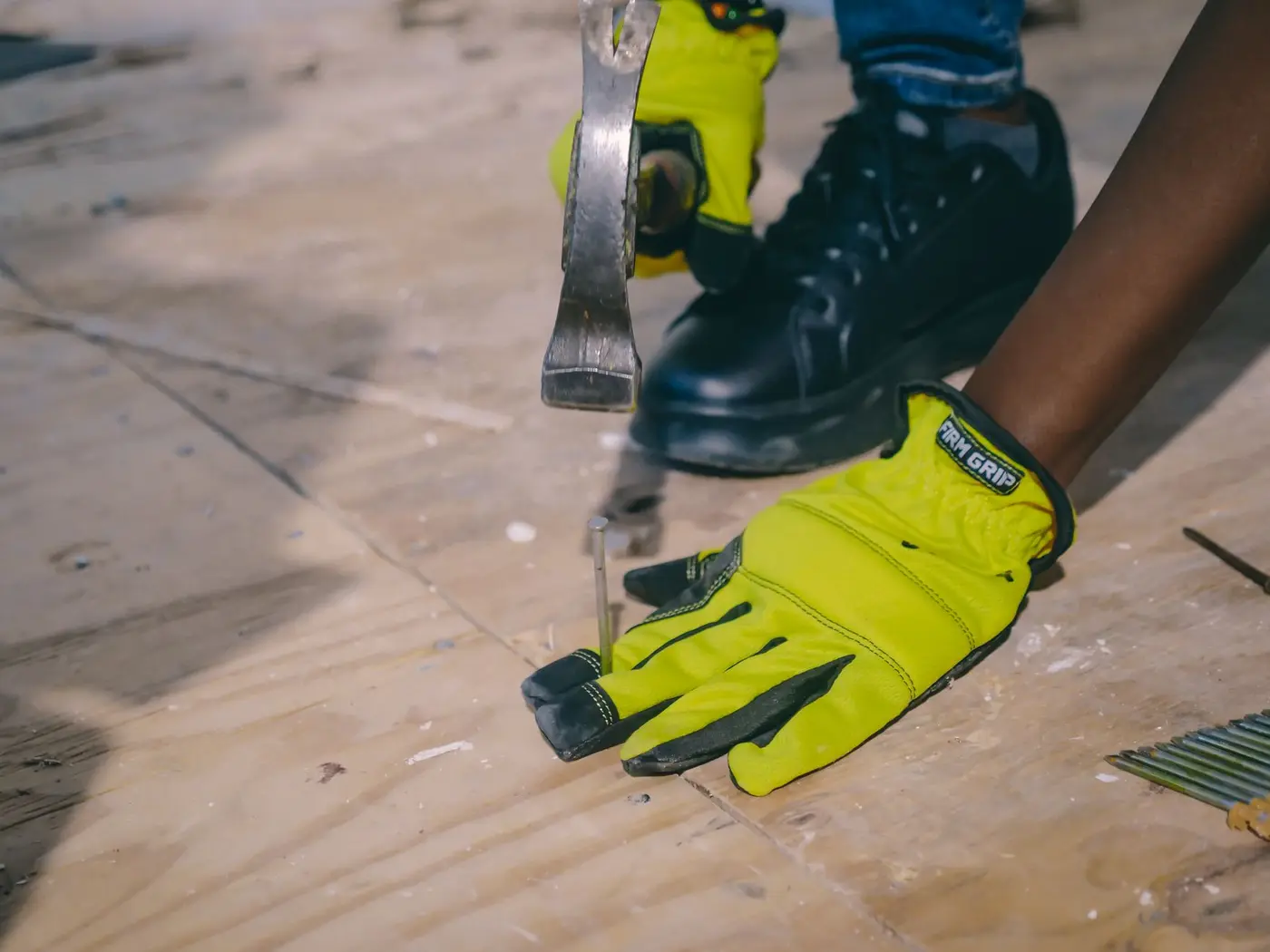
Subfloor Repair & Replacement
Rotted or soft subfloor cut out and rebuilt before any new floor goes down.
Learn more →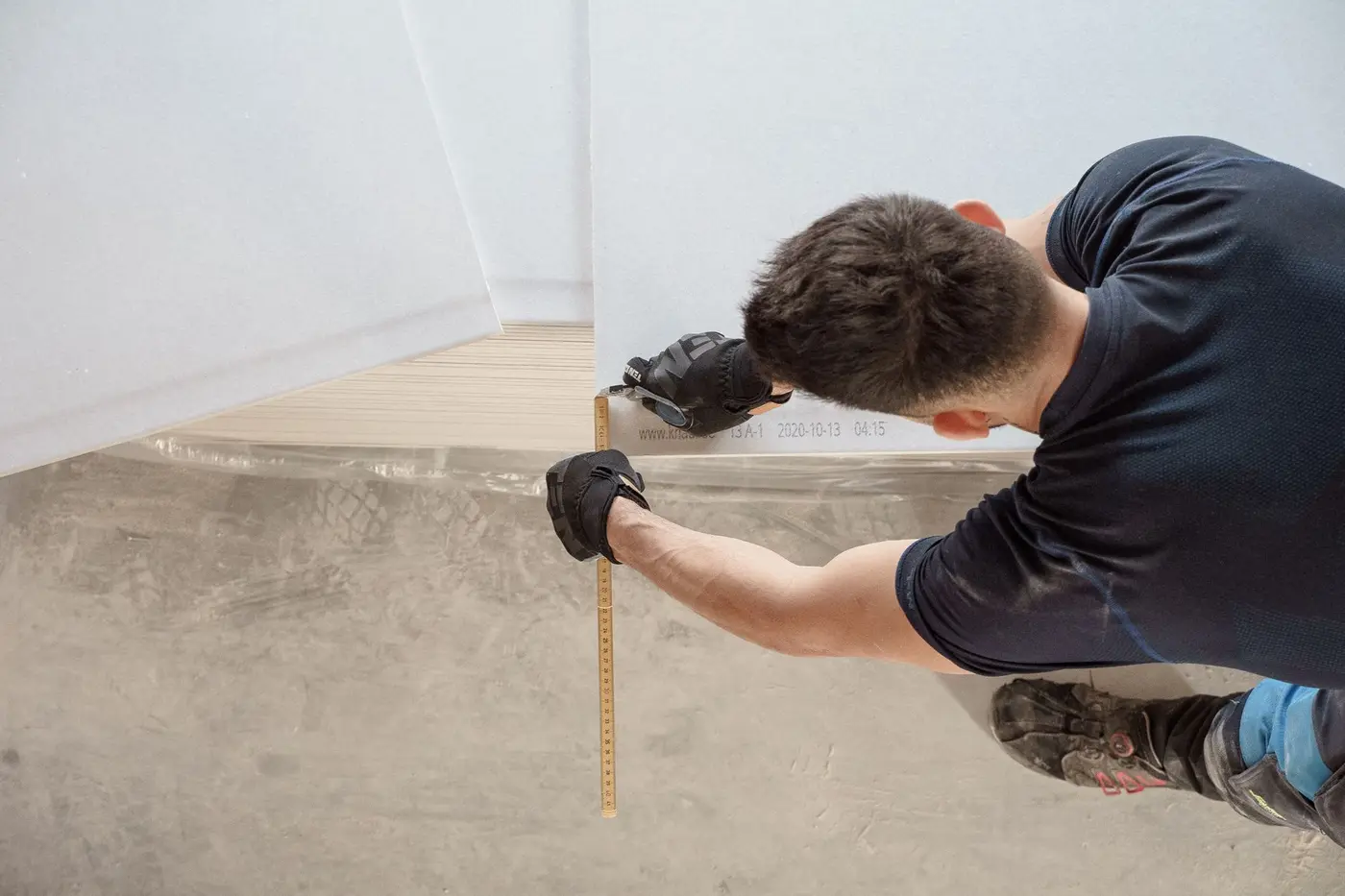
Flooring Installation
New flooring installed flat, with the subfloor and transitions dealt with first.
Learn more →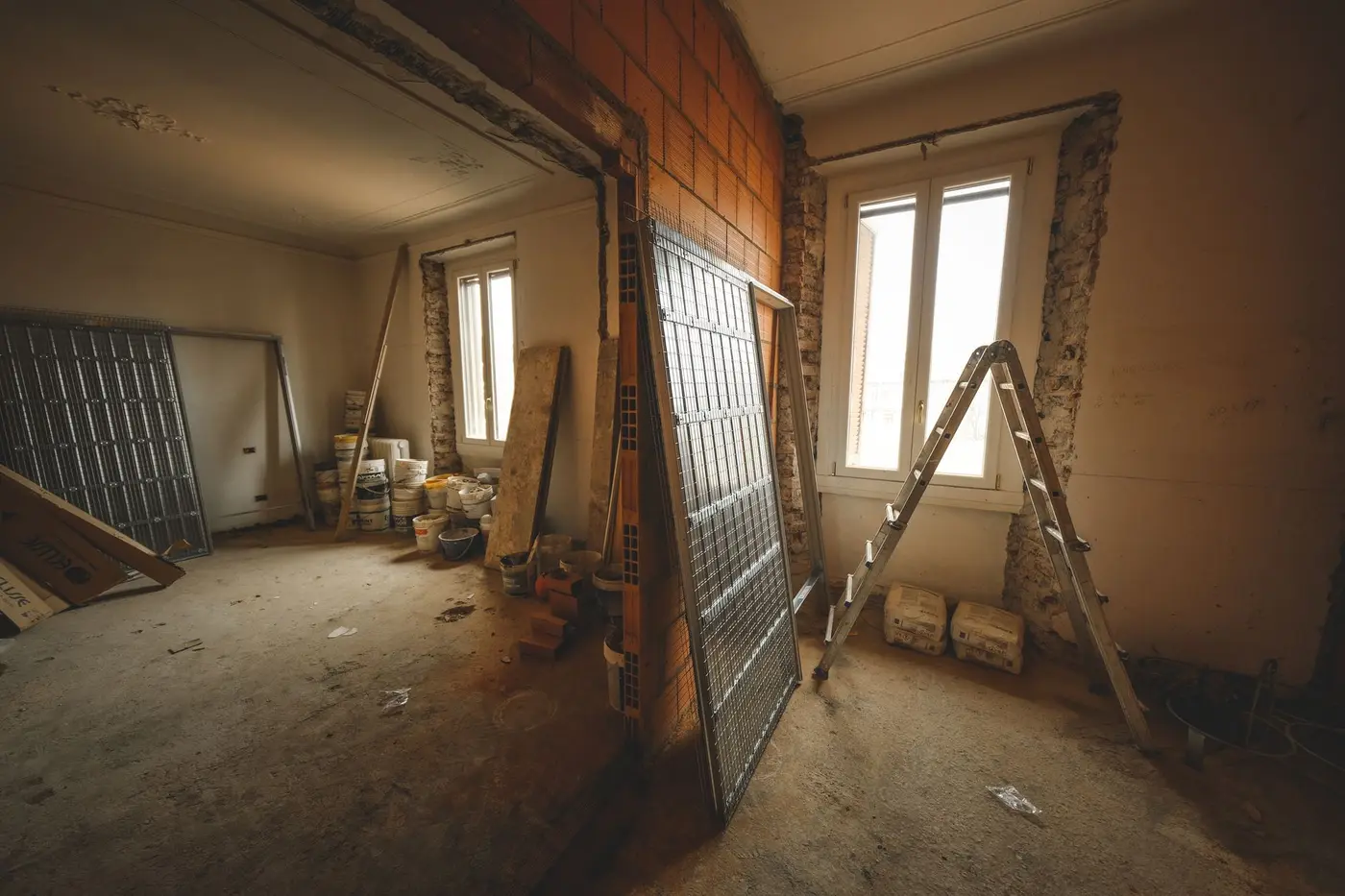
Home Remodeling
Several trades coordinated under one person, so a room project does not become five separate hires.
Learn more →Ready to Talk Tile?
Call or send a request with the room and the look you have in mind. We will give you a free quote.