
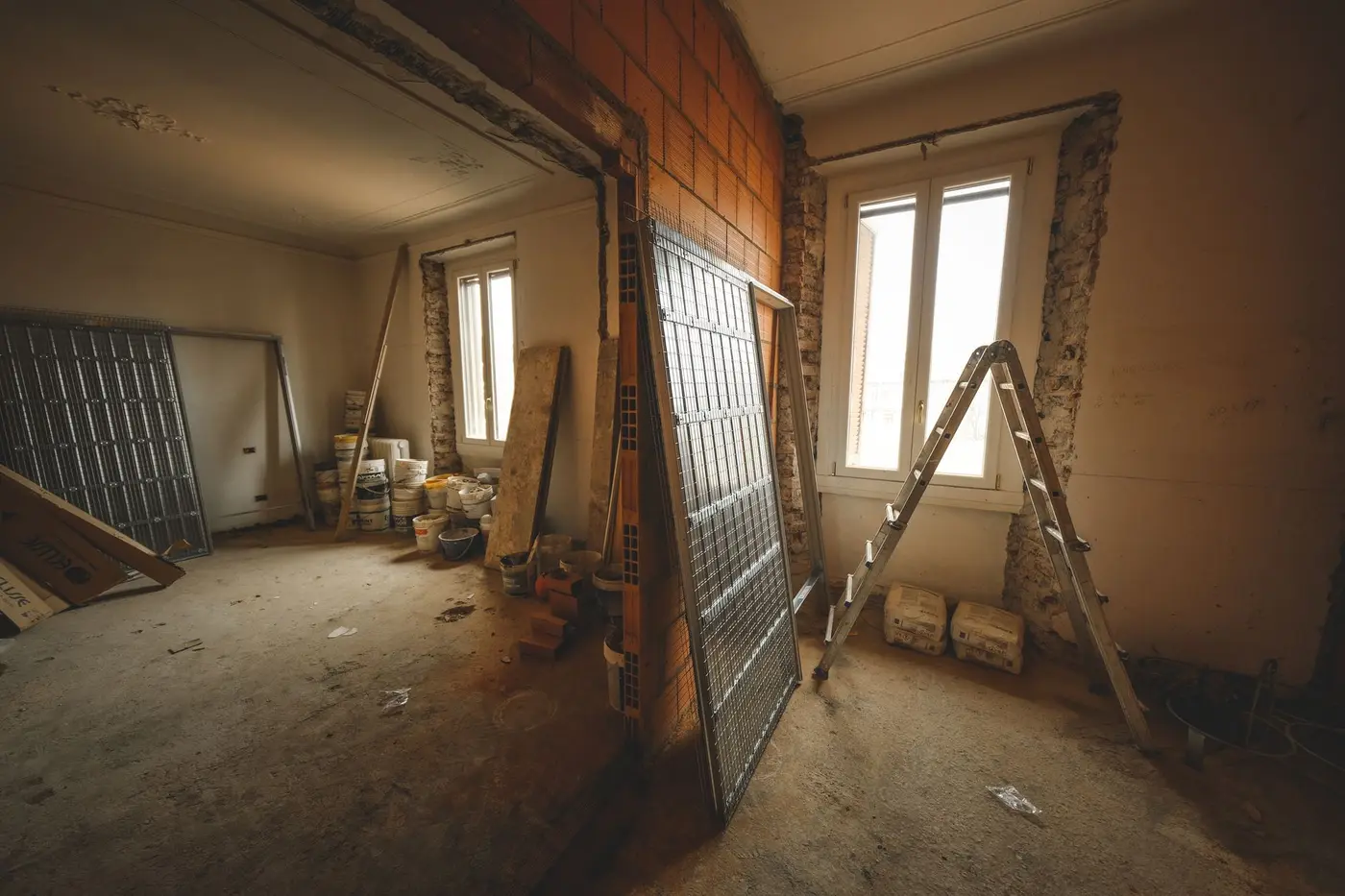
Home Remodeling in Arlington, VA
A remodel is several jobs that depend on each other. We coordinate them so your project moves in the right order.
Remodeling Is Several Jobs That Depend on Each Other
When people picture a remodel, they picture the finished room. What they do not see is the chain behind it: someone has to open the walls, someone has to fix what is inside them, someone has to close them back up, and only then do floors, tile and paint go in. A delay or mistake at any link affects everything after it. The value of a single contractor is not in doing every task, but in making sure the chain holds together.
That coordination is how we work. Jose Soto has spent about six years learning remodeling across a range of trades, including painting, drywall, carpentry, tile, plumbing and electrical, and Above And Beyond is built around that range. We walk the project with you, write down what is involved and the order it will happen in, and then manage the stages so you are not chasing separate people.
In Arlington, remodels tend to be shaped by the age of the house. A lot of the area was built up in the 1920s to 1950s, and the homes show it: compact rooms, plaster walls, older wiring and floors that have settled. That means a remodel here usually starts with discovery, and plans have to leave room for what the walls turn out to hold.
When a Remodel Makes More Sense Than Repairs
A project approach pays off when you recognize more than one of these:
- Several problems in one room, such as worn flooring, damaged walls and dated fixtures at the same time.
- Surfaces that are failing together, like cracked tile next to a soft floor or stained drywall below a leak.
- A room that no longer works for how you live, and where small fixes will not change that.
- Repairs that keep coming back because the underlying cause has never been dealt with.
- Plans for a big change, such as moving a sink or opening a wall, which need planning before anything is cut.
How We Run a Remodel
Walk the project
We look at the room with you, ask what bothers you, check the visible condition and talk through what you want the space to do.
Write the scope and the order
We list the work by trade, note what is likely to need a permit and set out the order in which things happen, so the plan makes sense before money is spent.
Open it up and see what is there
Demolition shows what the room really holds. If the findings change the scope, we show you and agree on the changes before going further.
Rough work, then close up
Framing, plumbing, electrical and repairs are done and checked, then drywall closes the walls so finishes can start.
Finishes and walk-through
Flooring, tile, trim and paint go in last. We go through the finished room with you and make a list of anything that needs another pass.
What Drives the Cost of a Remodel
Two rooms of the same size can have very different price tags. These are the main things that move the number:
Scope
A surface refresh and a full gut are different projects. Moving plumbing or walls adds more than any finish choice.
What the walls hide
Rot, old wiring or damaged framing can add work that cannot be known until the room is opened.
Materials
Tile, flooring and fixtures run from modest to expensive, and your choices set a large part of the total.
Number of trades
The more trades a project needs, the more steps there are to coordinate and sequence.
Permits and inspections
Some work requires a permit, which adds steps and sometimes waiting time.
Room access and size
Tight rooms, stairs and parking affect how long work takes and how materials get in.
Why Arlington Homeowners Choose Above And Beyond for Remodeling
You deal with the person running the job. Jose Soto is the owner of Above And Beyond, and he works across the trades that make up a remodel, so questions about one stage are answered by someone who also understands the next.
We look at the job before we price it and we tell you what we find, including the things you would rather not hear. Our view is that the work should speak for itself, and that starts with an honest scope.
If your project centers on one room, our bathroom remodeling and kitchen remodeling pages show how we handle those specifically.
Home Remodeling Across Arlington and Nearby
We are based in Arlington and take remodeling work in the county and the nearby cities. Our Arlington page covers the neighborhoods and older homes we work in most, and our Alexandria page covers rowhouse and Old Town projects.
Home Remodeling FAQs
What is the difference between a remodel and a series of small repairs?
A remodel treats a room as one project: the work is scoped together, scheduled in an order that avoids redoing things and finished as a whole. Small repairs fix one problem at a time. If you have three or four things that need doing in the same room, planning them as one job usually costs less in time and rework.
Can I stay in my house during a remodel?
Usually, if the work is limited to one or two rooms and you have somewhere else to cook or wash. Whole-house projects or ones that shut off water for long stretches are harder. We talk through what living there will really be like before the job begins.
What happens if you find something unexpected behind a wall?
We stop, show you and explain the options and what each would change in the scope and schedule. Older houses often hide wiring, pipes or damage that nobody could see, and the point is that you decide with the facts in front of you.
Do you pull permits for remodeling work?
Many remodeling tasks, particularly anything involving structure, plumbing or electrical, need a permit from the local building office. We tell you which parts of your project are likely to require one and how that affects the plan.
How do you decide what order the work happens in?
Dirty work first and finishes last. Demolition and repairs come before rough plumbing and electrical, which come before drywall, which comes before flooring, tile and paint. Putting the finishes in last means they are not damaged by the work around them.
What rooms do you remodel?
Kitchens and bathrooms are the most common, but the same approach applies to living rooms, bedrooms, hallways and basements. Describe the room and what you want changed and we will tell you honestly whether it is a good fit.
Related Services

Subfloor Repair & Replacement
Rotted or soft subfloor cut out and rebuilt before any new floor goes down.
Learn more →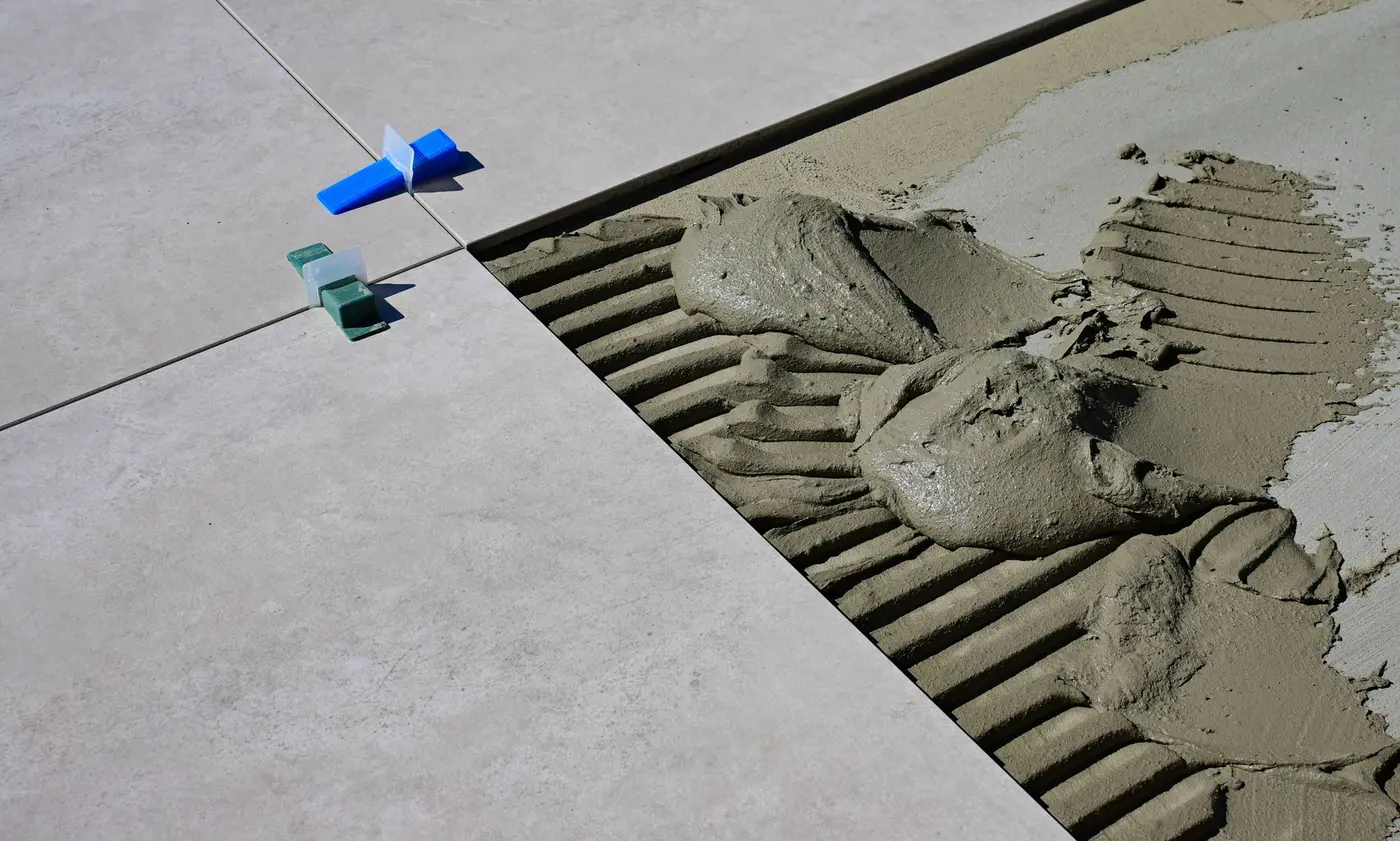
Ceramic Tile Installation
Ceramic tile set level on a prepared base, with grout lines that stay tight.
Learn more →
Drywall Installation
Walls and ceilings hung and finished so the paint on top looks even.
Learn more →Ready to Plan a Remodel?
Call or send a request describing the room and what you would like changed. We will arrange a visit and give you a free quote.