
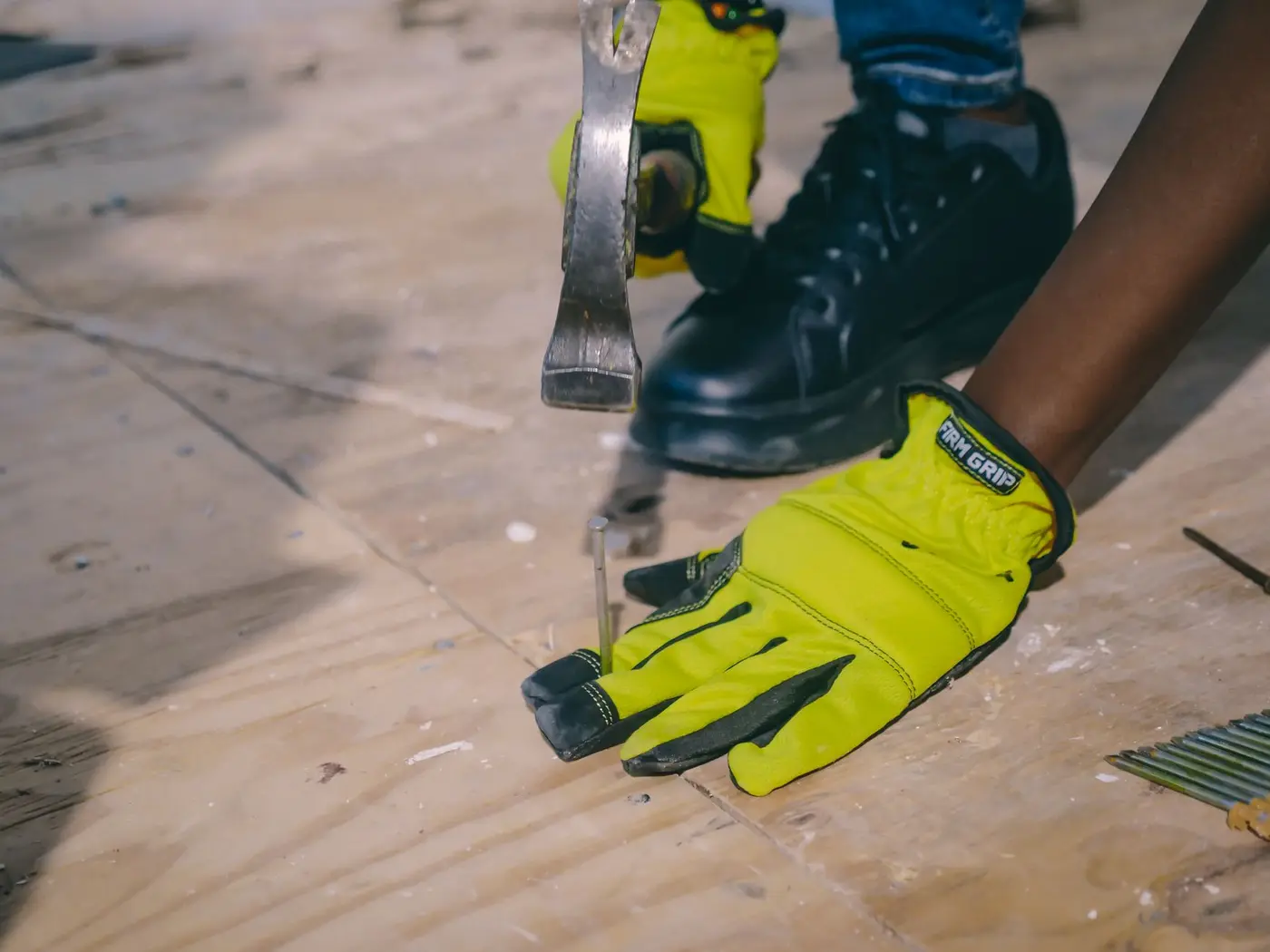
Subfloor Repair & Replacement in Arlington, VA
When the floor under a bathroom has gone soft, new tile cannot fix it. We cut out the damage and rebuild the base.
Rebuilding the Floor Under the Floor
The subfloor is the structural layer under every finished floor: sheets of plywood fastened to the joists below. It rarely gets thought about until something goes wrong. When it does, the cause is almost always water. A slow leak at a toilet or a sink, a failing shower pan or a tub that has been splashing over for years can saturate the wood until it softens, stains and, eventually, rots.
Bathrooms are where this shows up most in the work we do. Tile that has been set over a weakened subfloor cracks, the toilet begins to rock, and the floor feels spongy underfoot. Often nobody knows the extent until the old floor comes up, and a job that looks like a simple tile replacement can turn into a floor rebuild once the surface is gone.
Repair means finding the edge of the damage, cutting back to sound wood, checking the joists beneath and rebuilding with new subfloor that is flat and fastened properly. Then, and only then, does it make sense to lay tile or flooring on top.
Signs Your Subfloor May Be Damaged
Subfloor problems can hide for years. Watch for these:
- A soft or spongy spot that gives underfoot, usually next to a toilet, tub, shower or sink.
- A toilet that rocks or shifts slightly when you sit, a sign the floor under the flange has weakened.
- Cracked or loose tiles in a pattern that follows one area of the floor.
- A musty smell that returns after cleaning, especially in a closed bathroom.
- Stains, bubbling or lifting on the finished floor near plumbing fixtures.
How We Repair a Subfloor
Find and stop the cause
Before any wood is replaced, we trace the moisture source, whether that is a leak, a failed seal or condensation, so the repair is not undone.
Open the floor and map the damage
We remove the finished surface and probe the subfloor outward from the soft spot to find where firm wood begins.
Cut back and inspect the joists
Damaged sheathing is cut out to solid framing, and the joists underneath are checked for rot or insect damage and reinforced if needed.
Install new subfloor
New plywood is fitted, glued and fastened to the joists, with seams staggered and a flat surface left for finish flooring.
Level, dry and hand off
We check the surface for flatness, make sure it is dry and then hand off to tile or flooring, or continue the job ourselves.
What Changes the Cost of Subfloor Repair
The honest answer is that the cost depends on how far the damage went, and that is not always visible until the floor is open. Main factors:
Extent of the rot
A patch around one fixture is a smaller job than a floor damaged across the whole room.
Joist condition
Sound joists mean a simple replacement of sheathing; damaged joists add reinforcement work.
The source of the water
A leak that needs a plumbing repair adds a separate step before the subfloor can be rebuilt.
Access
Floors above finished ceilings or tight crawl spaces take more time to reach than an open room.
What sits on top
Tile, heavy fixtures and finished surfaces have to be removed and replaced around the repair.
Moisture in the surrounding area
Wet walls or baseboards nearby may need drying or replacing as part of the same job.
Why Arlington Homeowners Choose Above And Beyond for Subfloor Repair
Subfloor work is the unglamorous heart of a good bathroom remodel. Jose Soto handles the repair as part of the larger project, so the person who finds the damage is the same person who rebuilds the floor and sets the tile on top.
We show you the damage as we find it. Rot cannot be priced from a doorway, which is why we look first and explain what is involved before more work is done.
If the repair is part of a larger bathroom project, see our bathroom remodeling page, and for the new surface that follows, our tile installation and flooring installation pages.
Subfloor Repair Around Arlington
We repair subfloors in Arlington and nearby. Houses covered on our Arlington page, many built between the 1920s and 1950s, are where long-running leaks tend to turn up. We also work in Falls Church, where small 1940s and 50s houses face the same issue.
Subfloor Repair FAQs
Can you repair just the soft section, or does the whole floor have to come out?
Often only the damaged section needs replacing, cut back to solid framing and rebuilt. The test is how far the moisture has traveled. We probe outward from the soft spot until the wood is firm, and the repair covers that area plus a margin.
What causes a subfloor to rot?
Almost always water over time: a slow leak at a toilet flange or supply line, a failed tub or shower surround, a dripping drain or condensation. Fixing the source is the first step, because new plywood on top of an active leak will fail too.
How do I tell the difference between a soft spot and normal flex?
A floor that bounces slightly over a long span is usually fine. A soft spot is localized, feels spongy underfoot and often sits next to a toilet, tub or sink. Cracked tile, a toilet that rocks and a musty smell are other signs.
Will the musty smell go away?
Once damp, rotted wood is removed and the area is dried and rebuilt, the smell usually goes with it. If the smell lingers, there may be moisture elsewhere in the wall or floor cavity that we would want to look at.
What if the joists underneath are damaged too?
Then they get addressed before the new subfloor goes down, usually by reinforcing them with new lumber fastened alongside. We tell you what we find and show you the damage before any further work.
Related Services
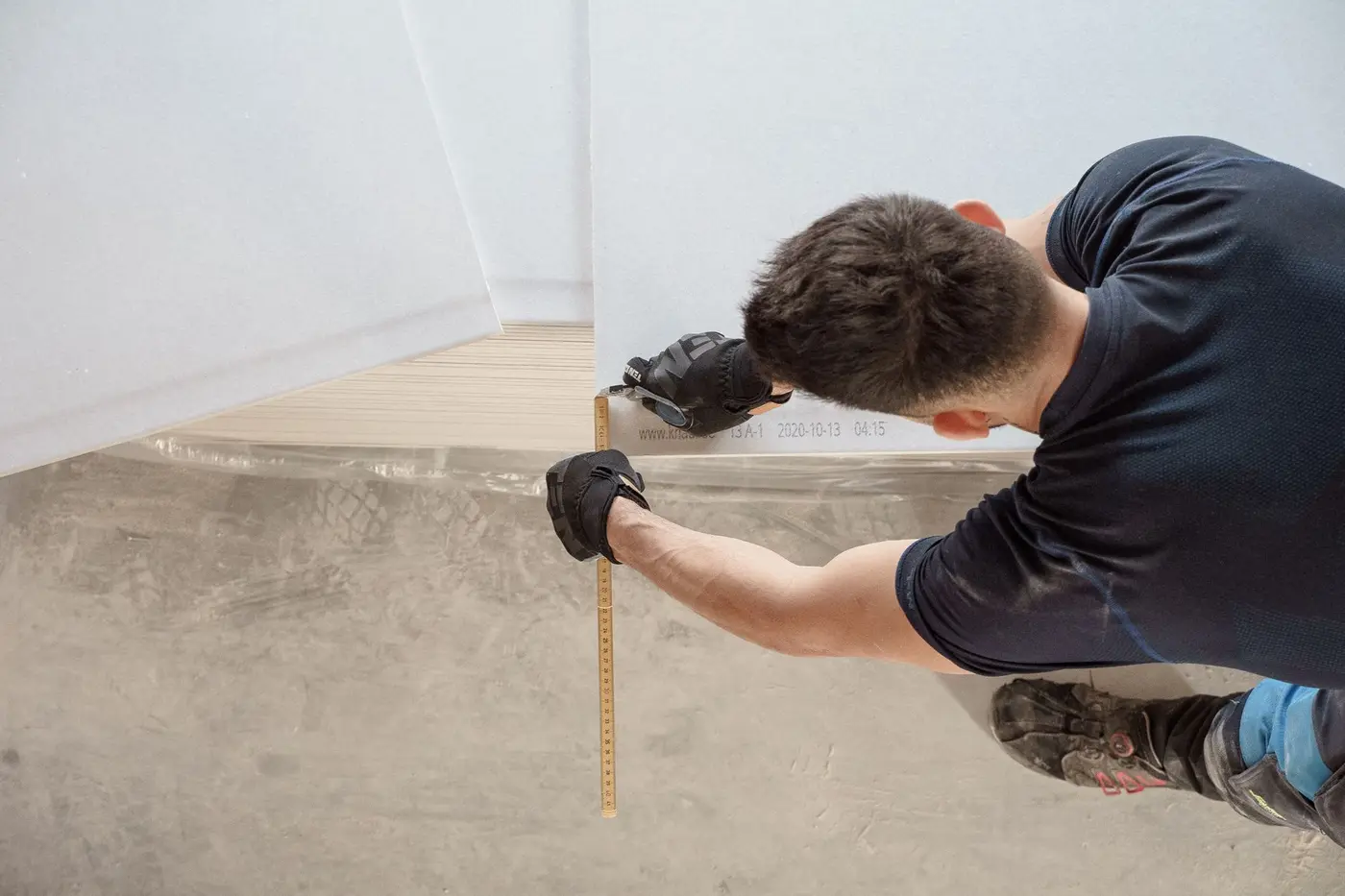
Flooring Installation
New flooring installed flat, with the subfloor and transitions dealt with first.
Learn more →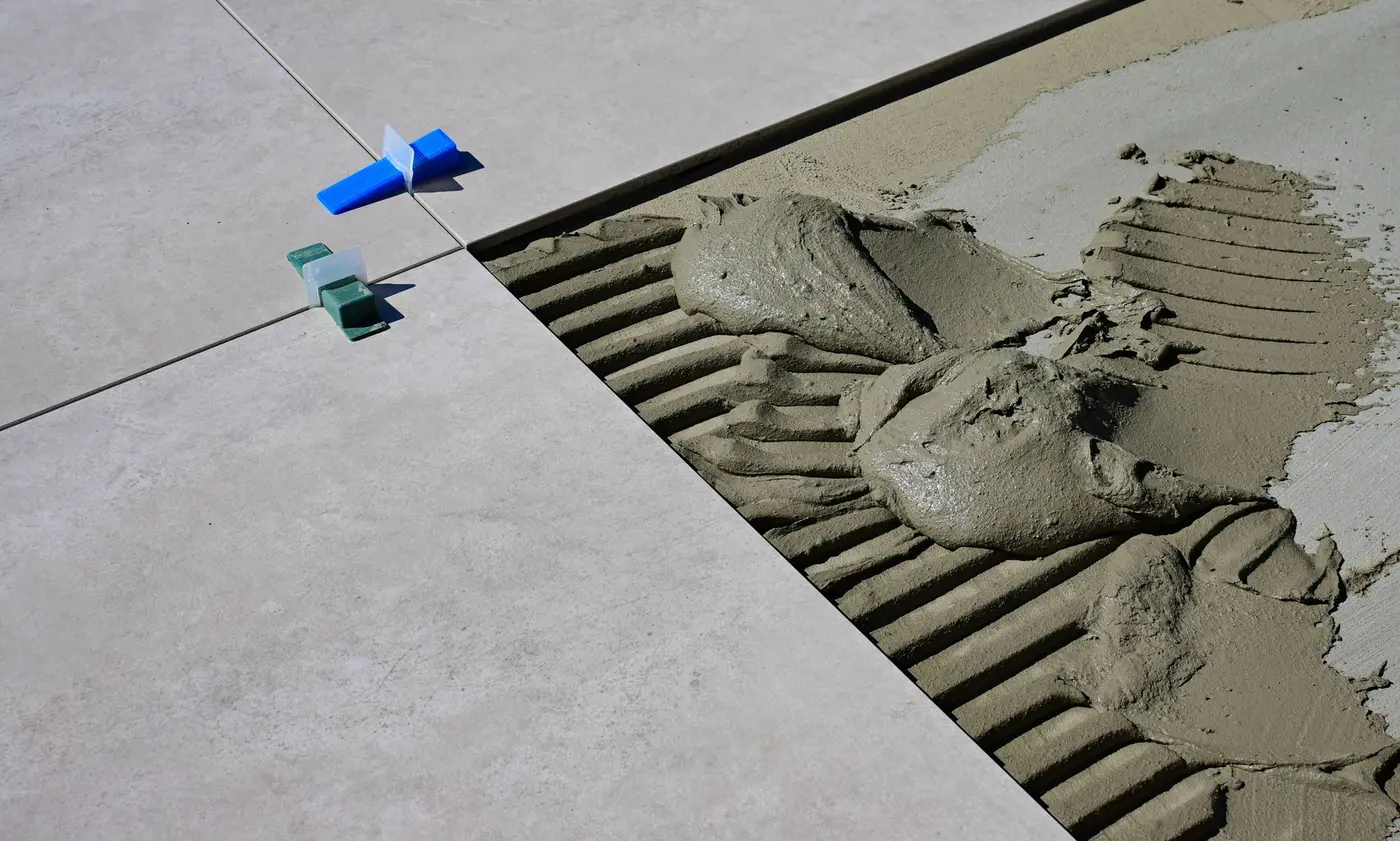
Ceramic Tile Installation
Ceramic tile set level on a prepared base, with grout lines that stay tight.
Learn more →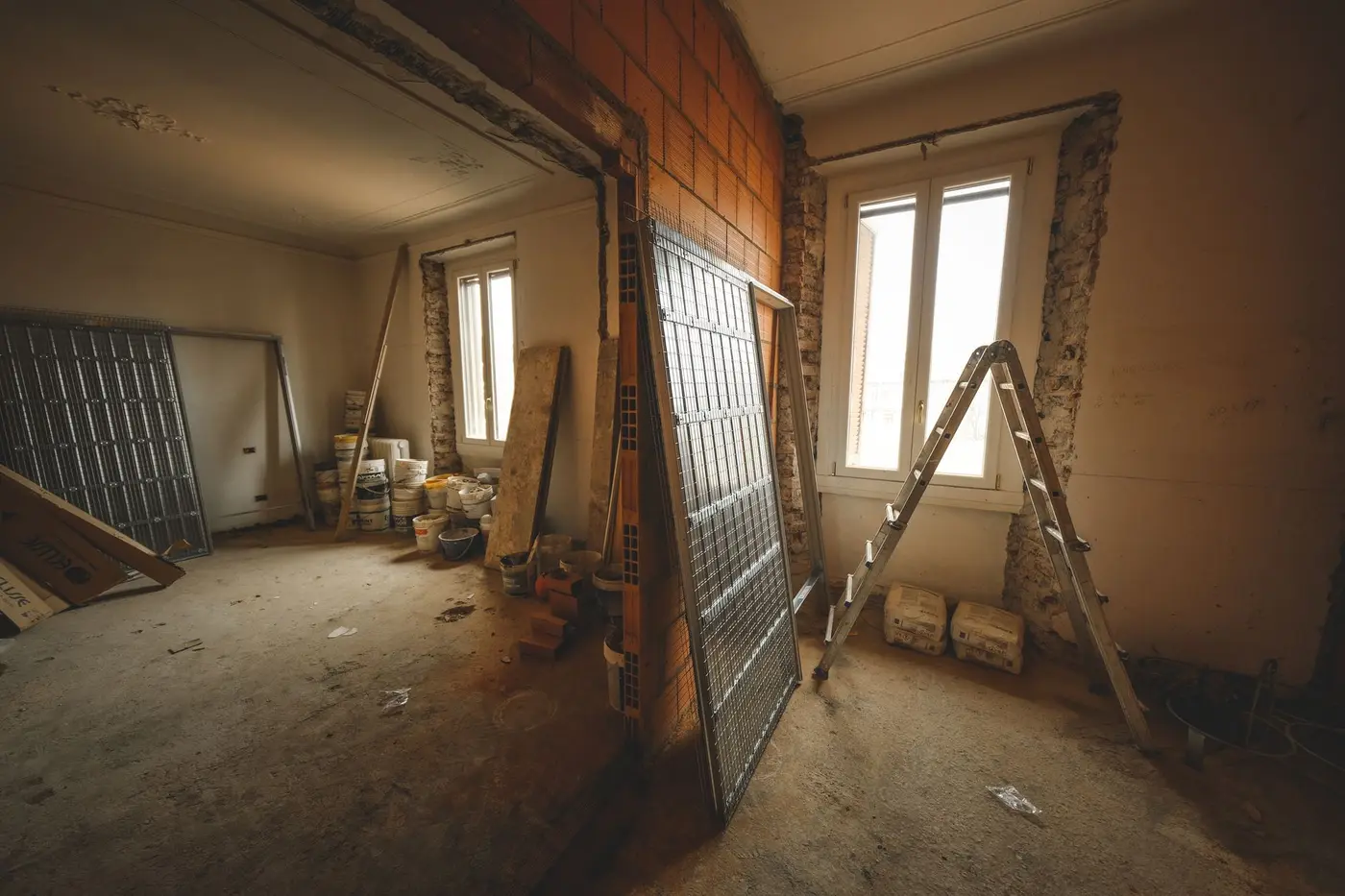
Home Remodeling
Several trades coordinated under one person, so a room project does not become five separate hires.
Learn more →Think You Have a Soft Floor?
Call or send a request describing where the floor feels soft. We will take a look and give you a free quote.