
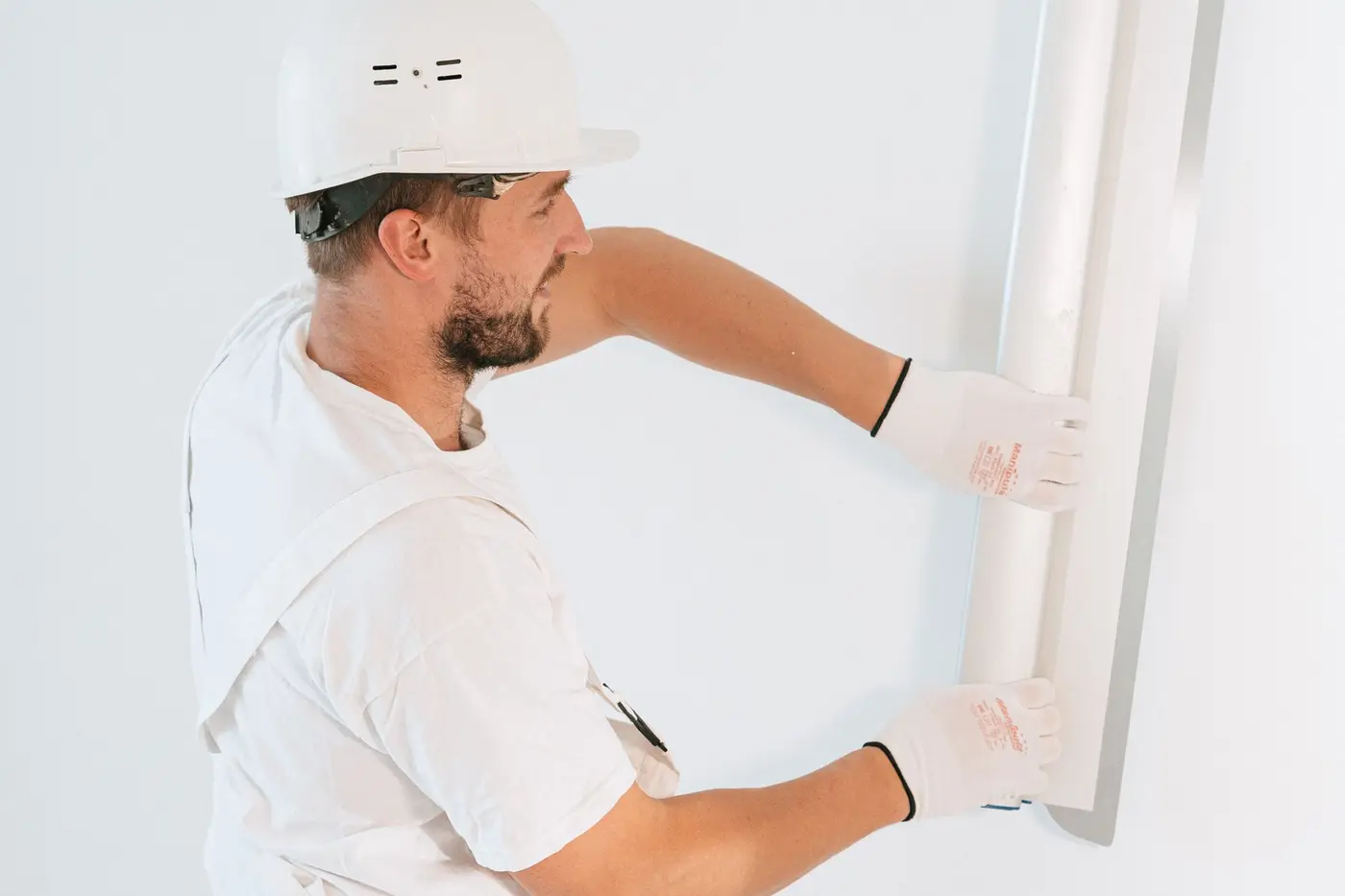
Drywall Installation in Arlington, VA
Walls and ceilings hung square and finished smooth, so the paint on top looks even in any light.
Drywall: Fast to Hang, Slow to Finish
Drywall installation has two very different speeds. Hanging the panels goes quickly: measure, cut, lift and fasten to the framing, staggering the seams. Finishing is slower. Tape goes over the joints, compound is applied in thin coats, each coat has to dry, and sanding blends the surface between coats. That slow, patient part is what makes a wall look flat.
We install new drywall for remodels, in rooms that have been reframed or opened up, and wherever old damaged board has to come out. Some jobs are whole rooms; others are the large patch where a bathroom wall was opened to reach pipes. Either way, the goal is a surface that disappears once it is painted.
Arlington has a mix of building types that affects drywall work. Single-family houses from the mid-twentieth century may have plaster walls that new board has to meet at a different thickness. Condos and apartments, which are common along Arlington's corridors, often have rules about noise and work hours, so scheduling the dusty stages takes care.
When You Need Drywall Installed or Replaced
Typical reasons for new drywall include:
- A remodel that opens walls, such as relocating plumbing, adding electrical or removing a partition.
- Water-damaged board that is stained, soft or sagging, which cannot simply be painted over.
- Cracks and failing joints that return after patching, which can mean the board or tape needs replacing.
- Ceilings that sag or have lost their fastening, particularly beneath a leaking bathroom.
- New framing, such as a closet, a soffit or a rebuilt wall, that needs a surface.
How We Install Drywall
Measure and order
We measure the walls and ceilings, work out the board needed for the room and pick the thickness that suits the framing.
Hang the board
Panels are fitted tightly, cut around outlets and openings, and fastened to the framing, with seams staggered to avoid weak lines.
Tape the joints
Tape and a first coat of compound go over every seam and fastener to join the panels into one surface.
Apply and sand the coats
We build up thin coats of compound, letting each dry, and sand between coats until the surface is flat and smooth.
Prime and hand off
We check the walls in raking light for flaws, then prime so the surface is ready for paint, or paint it if that is part of the job.
What Changes the Price of Drywall Installation
Drywall costs follow a handful of factors:
Square footage
More area means more board, more compound and more sanding time.
Walls versus ceilings
Ceilings are slower and harder to hang than walls and cost more per square foot.
Level of finish
Walls that will be seen in strong light need more coats and sanding than closet walls.
Ceiling height and access
High ceilings, stairwells and awkward layouts need more equipment and care.
Texture matching
Blending into an existing textured wall adds steps and testing.
Demolition and cleanup
Removing old board and dealing with the dust adds time before new work can start.
Why Arlington Homeowners Choose Above And Beyond for Drywall
Drywall touches nearly every remodel, and Jose Soto works across the trades on either side of it, from carpentry and framing before to paint after. The board goes up knowing what comes next.
We look at what is in your walls before we suggest a fix. Older houses may have plaster, and the right way to repair it is not the same as the right way to hang new board.
See home remodeling for how drywall fits into a full project, and tile installation for the work that goes over backer board in wet areas.
Drywall Installation Around Arlington
We hang and finish drywall in Arlington and nearby. Our Arlington page covers older homes with plaster, and our Washington, DC page covers rowhouse and condo walls.
Drywall Installation FAQs
What thickness of drywall do you use?
Half-inch board is common for walls, while five-eighths-inch is often used on ceilings and where extra stiffness or fire resistance is wanted. The right choice depends on the framing spacing, the room and any rules that apply to the building.
Can drywall be used in a bathroom?
Moisture-resistant board is available and works for walls that are not directly splashed. In a shower or tub surround, tile goes over a cement backer board, not drywall, because standard board breaks down when it gets wet.
What are nail pops and can they be fixed?
Nail or screw pops are small bumps where a fastener has worked loose as the wood framing dried or moved. They can be re-fastened, covered with compound and painted so they do not return, though they are more common in older houses.
Can you match the texture on my existing walls?
Often, yes. Common textures can be matched with spray or hand techniques, but results vary. A smooth wall is simplest to blend, and for textured ones we test a sample before committing to the whole area.
How long does a drywall job really take?
The hanging is fast, but taping and finishing is slow because each coat of compound must dry. A single room is usually a matter of several days of drying across the visits, not several days of constant work.
Related Services
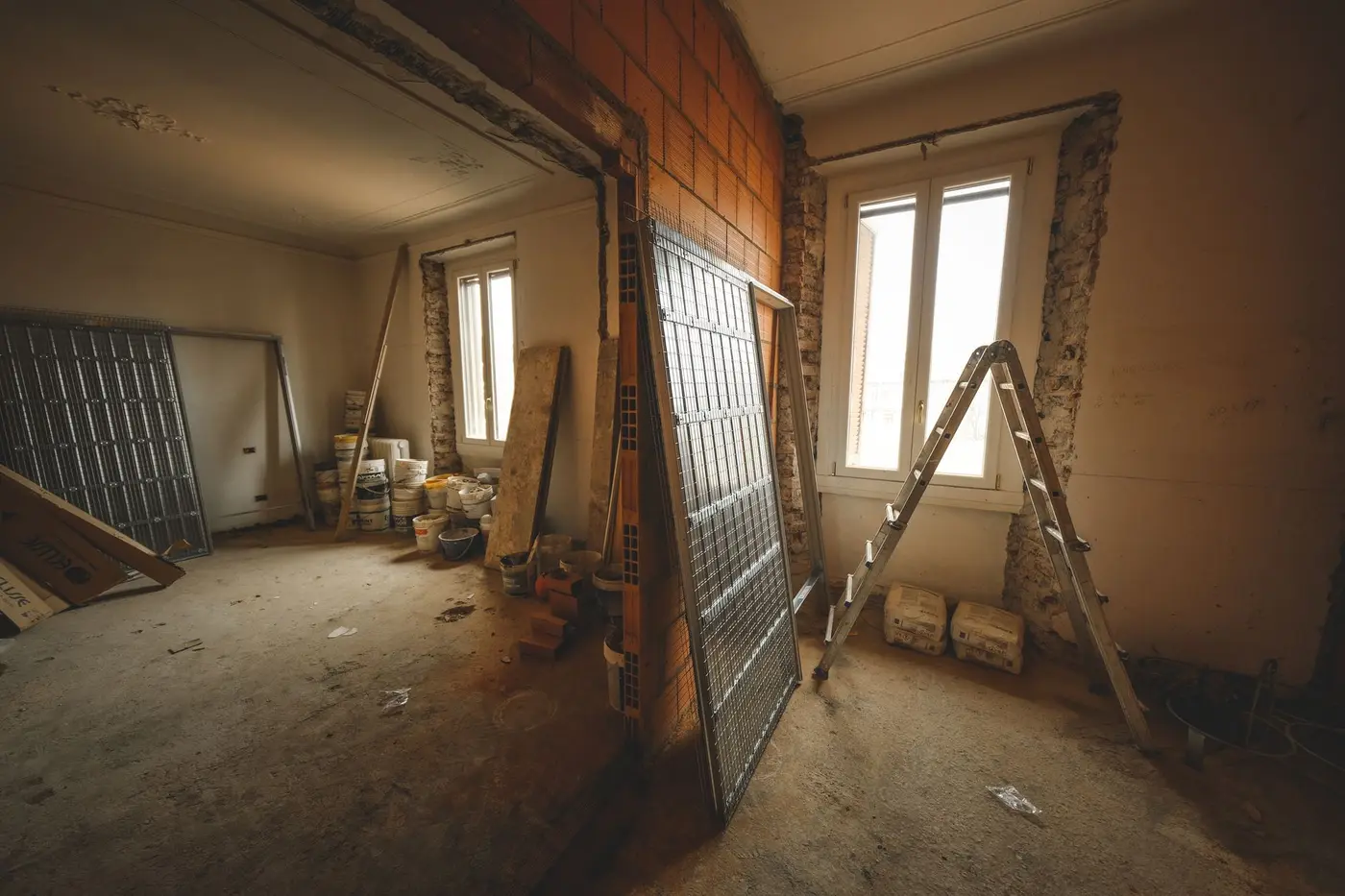
Home Remodeling
Several trades coordinated under one person, so a room project does not become five separate hires.
Learn more →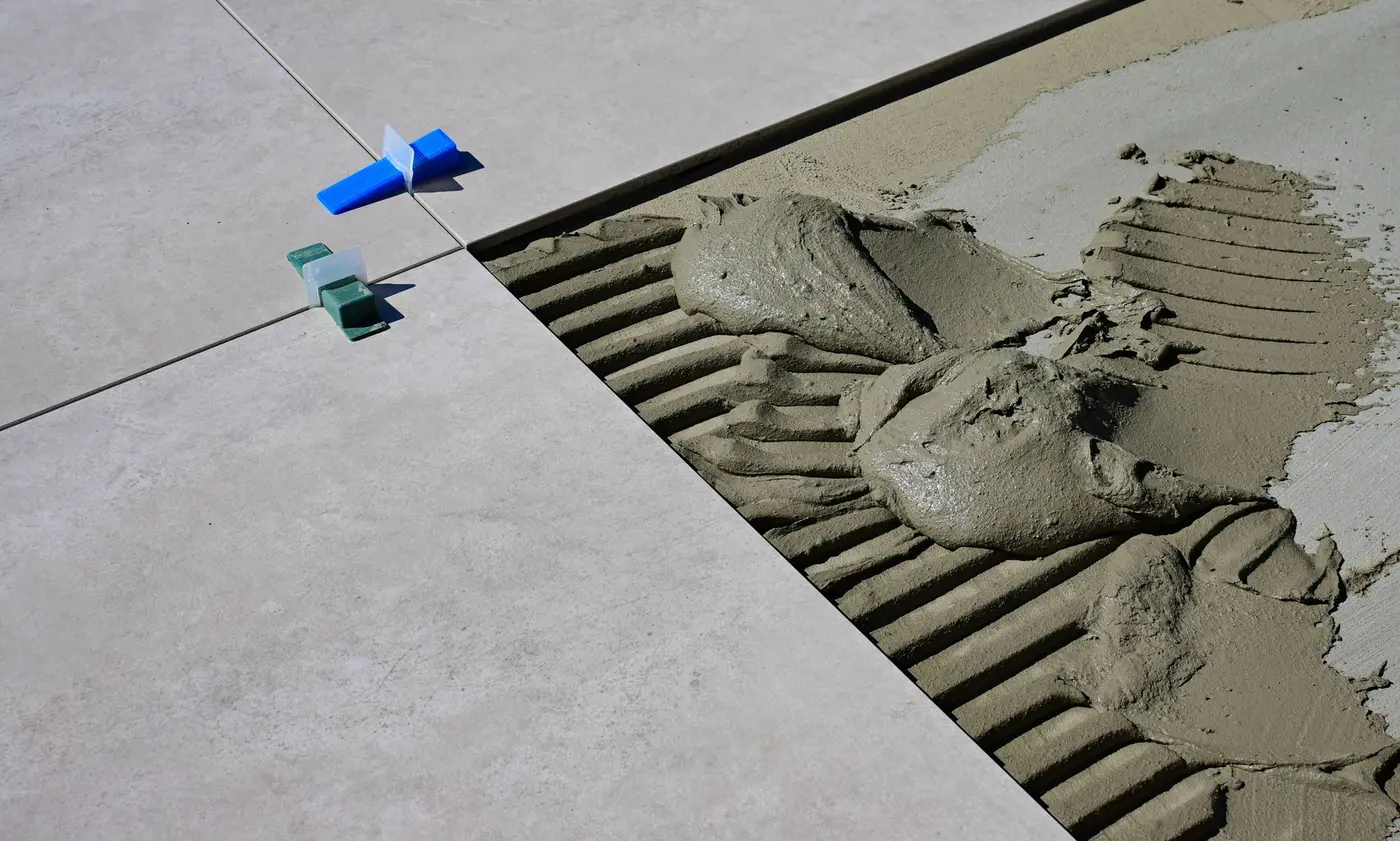
Ceramic Tile Installation
Ceramic tile set level on a prepared base, with grout lines that stay tight.
Learn more →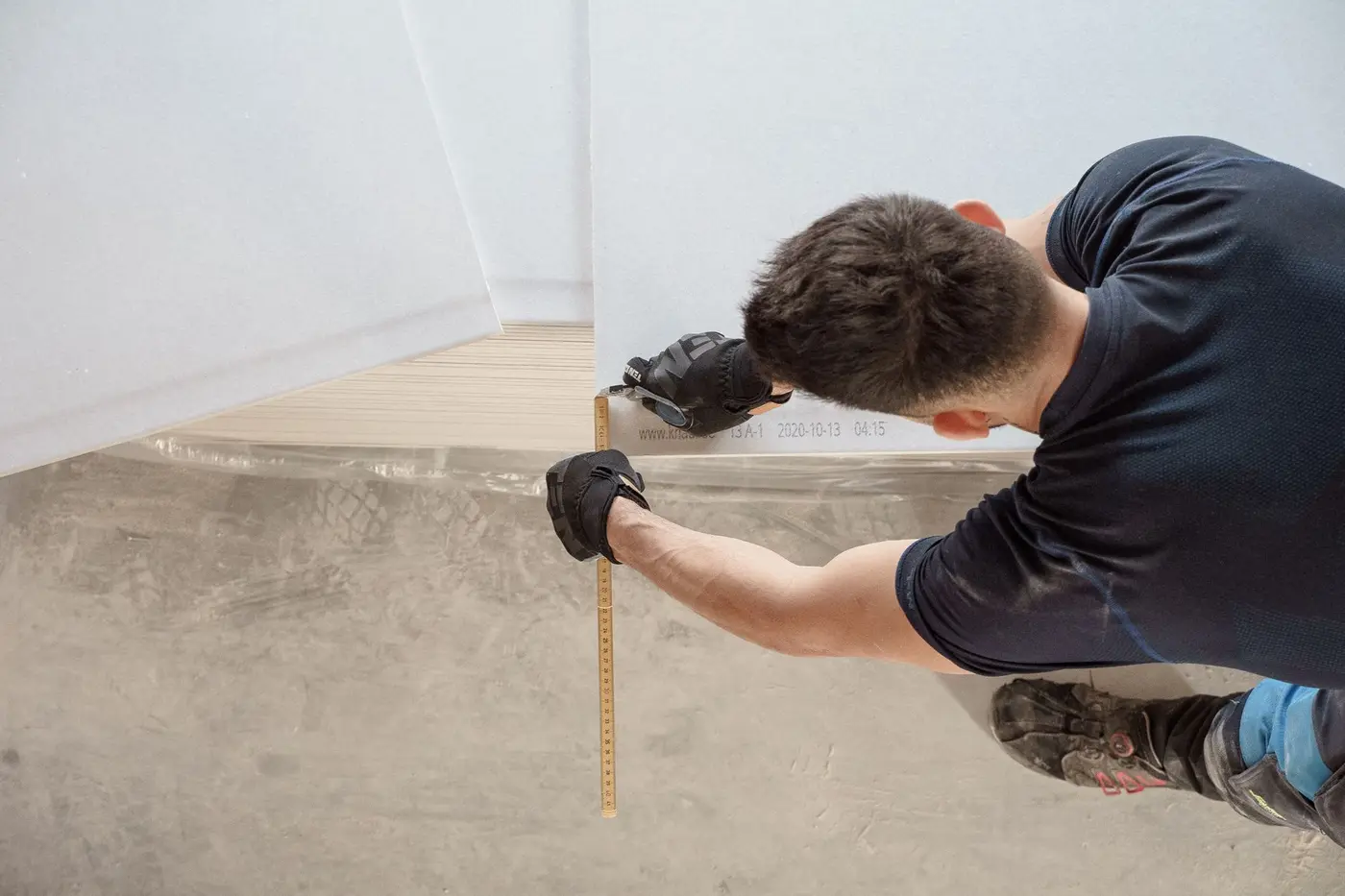
Flooring Installation
New flooring installed flat, with the subfloor and transitions dealt with first.
Learn more →Need New Drywall?
Call or send a request with photos of the wall or room. We will give you a free quote.